





Plastic or steel cable carrier: how do you make the right choice?
When choosing a cable carrier also known as an energy chain or cable chain —things often go wrong in practice. Not because the technology is complicated, but because incorrect assumptions are made. The result? Rapid wear, cable breakage, malfunctions, or unnecessary costs.
One of the most common mistakes is choosing the wrong material: plastic or steel. In this article, you will discover when you are making the wrong choice — and how to avoid it.
- Why the choice of materials so often goes wrong
- Why choose a plastic cable carrier?
- Why choose a steel cable carrier ?
- Plastic vs. steel: quick comparison
- Why Wisman Techniek
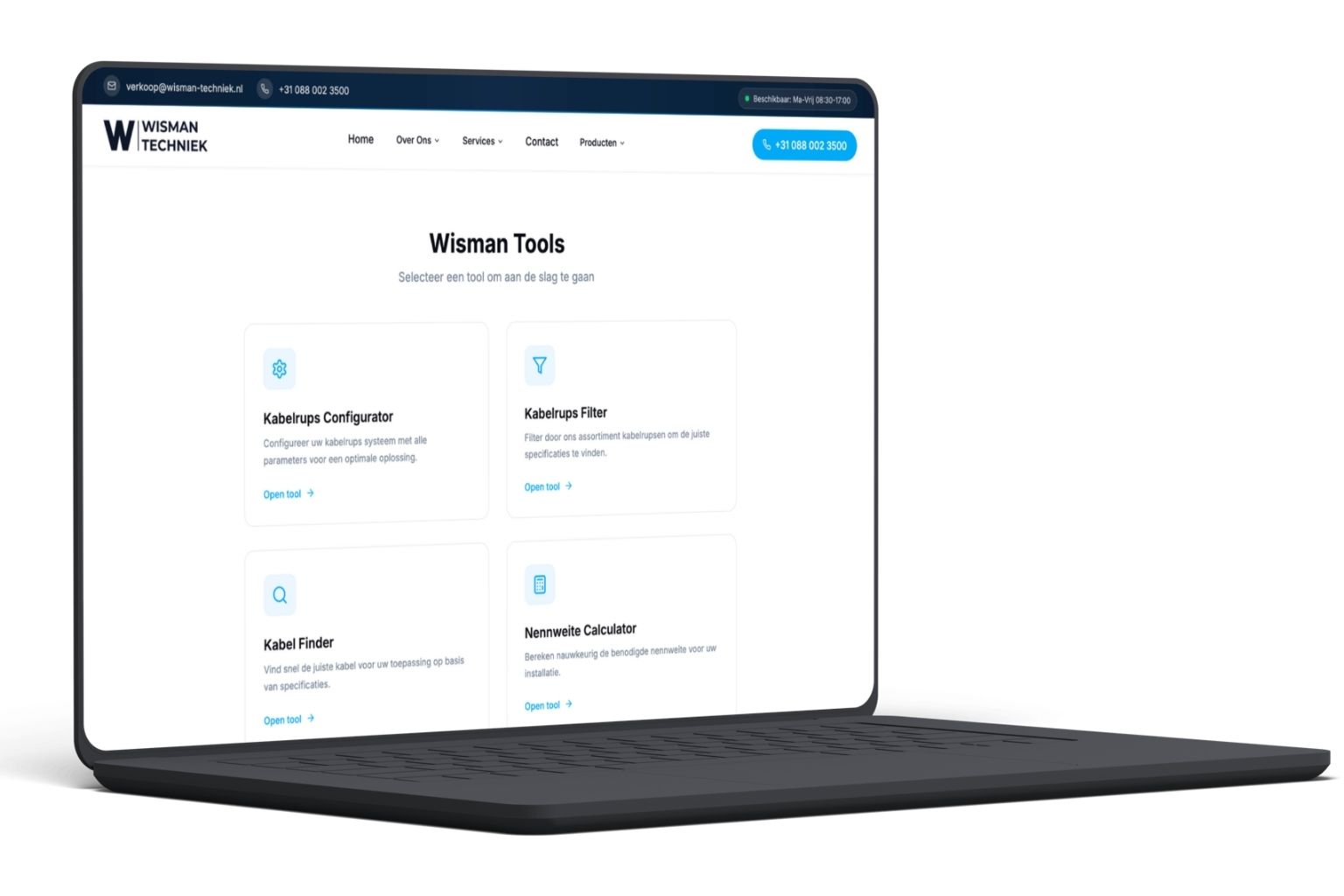
- cable carrier configurator
Why the choice of materials so often goes wrong
In practice, you usually see one of these thoughts:
- Plastic is cheaper, so that will do.
- “With a steel cable carrier , you cable carrier always safe.”
Both sound logical, but regularly lead to problems. You don't cable carrier the right cable carrier based on gut feeling, but on the basis of load, movement, environment, and service life.
Why choose a plastic cable carrier?
A plastic cable carrier is an excellent solution in many industrial applications. Especially when you are dealing with speed, dynamics, and limited loads.
1. Ideal for high speeds and dynamic movement
Plastic Cable carriers lightweight. As a result:
- requires less power
- speeds and accelerations remain stable
- less wear and tear on moving parts
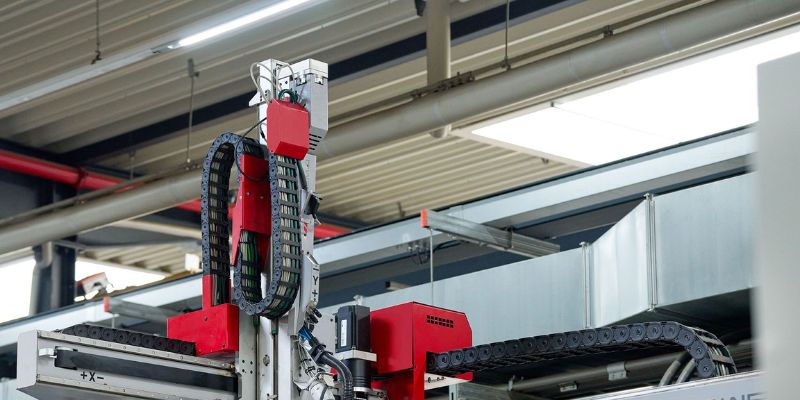
This makes plastic energy chains ideal for CNC machines, pick-and-place systems, and automatic production lines.
Why choose a steel cable carrier ?
A steel cable carrier comes into its own when conditions become more demanding. Steel clearly offers added value in this type of application.
1. High mechanical stress
Do you work with:
- heavy cable bundles
- hydraulic hoses
- long stroke lengths
Then steel provides:
- maximum stability
- minimal deflection
- predictable movement
2. Extreme environments
Steel Cable carriers more resistant to:
- high temperatures
- welding spatter
- sharp or hot metal particles
- heavy industrial pollution
This makes steel suitable for the steel industry, heavy machinery manufacturing, and outdoor applications.
3. Long service life under heavy use
In continuous operation and high cycles, a steel cable carrier remains reliable cable carrier than standard plastic.
4. Stability with long spans
With long free lengths, steel prevents sagging and uncontrolled movements, which greatly reduces cable wear.
Plastic vs. steel: quick comparison
| Application | Plastic cable carrier | Steel cable carrier |
|---|---|---|
| High speed | ✔️ | ❌ |
| Low noise | ✔️ | ❌ |
| Heavy load | ❌ | ✔️ |
| Extreme environments | ❌ | ✔️ |
| Cost control | ✔️ | ❌ |
How do you make the right choice for a cable carrier?
The right cable carrier by looking beyond just the material. In practice, several factors play a role. These include:
- the total cable weight
- the required bending radius
- the stroke length of the movement
- application speed and acceleration
- the environment in which the cable carrier used
At Wisman Techniek , we help specialists who face these choices on a daily basis. From light automation to heavy industrial applications: together, we can provide you with a reliable energy chain that suits your practical needs. Do you have any questions or would you like advice? Feel free to contact us.
👉 View Wisman Techniek's cable management solutions via the cable carrier (internal link)