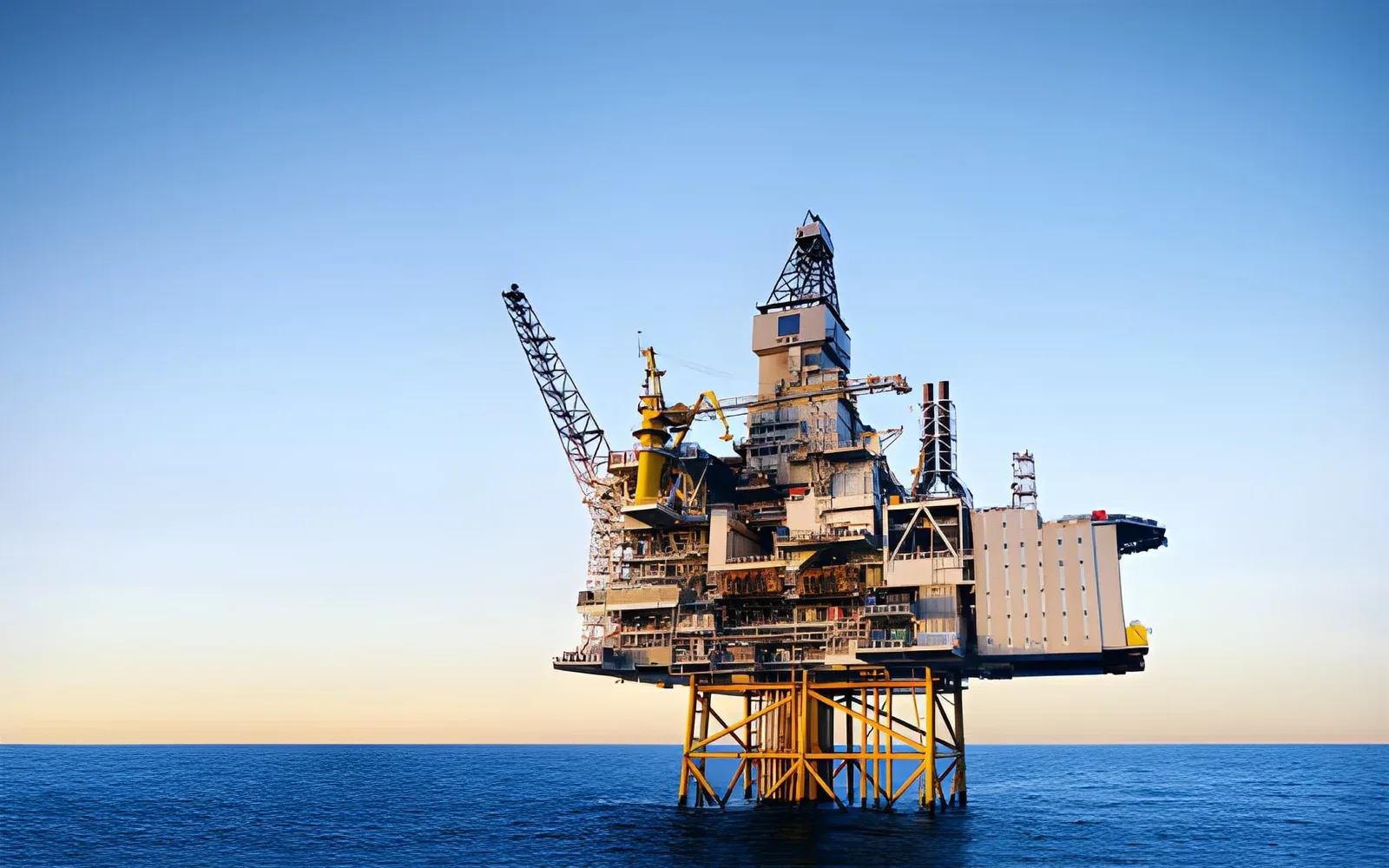
Tsubaki Kabelschlepp published an article on cable carriers for offshore use on 5 October. In it, the company describes how it designs carriers for platforms and vessels, where wind, waves, corrosion and constant movement come together. The full article is on the Tsubaki Kabelschlepp website.
What Tsubaki Kabelschlepp describes
An offshore installation never stands still. The platform moves in all three directions, even when the machine itself is not running. Add to that heavy additional loads, complex movements and little installation space. According to Tsubaki Kabelschlepp, this calls for a different approach than in a factory hall.
The article mentions the following points:
- Materials: A4-grade stainless steel, seawater-resistant aluminium alloys and special engineering plastics for underwater applications.
- Arrangement: self-supporting or gliding, rolling carriers for long travel and circular arrangements for rotating parts.
- Safety: secured screw connections, redundant fastening and an extensive factory acceptance test (FAT) on every project.
- Generous margins: because loads at sea cannot be predicted precisely, the company chooses a conservative configuration with high safety factors.
- Monitoring: condition monitoring to detect changes in load early and to plan maintenance based on the actual condition of the carrier.
Tsubaki Kabelschlepp also writes that it invented the steel cable carrier more than seventy years ago. For the British market, the company works with its subsidiary Metool Products, which according to the article has supplied cable systems for hundreds of offshore projects.
What you can take from it for your own installation
Not every installation is at sea. But the points in the article also apply to cranes in the port, locks, bridges and machines outdoors. Three lessons:
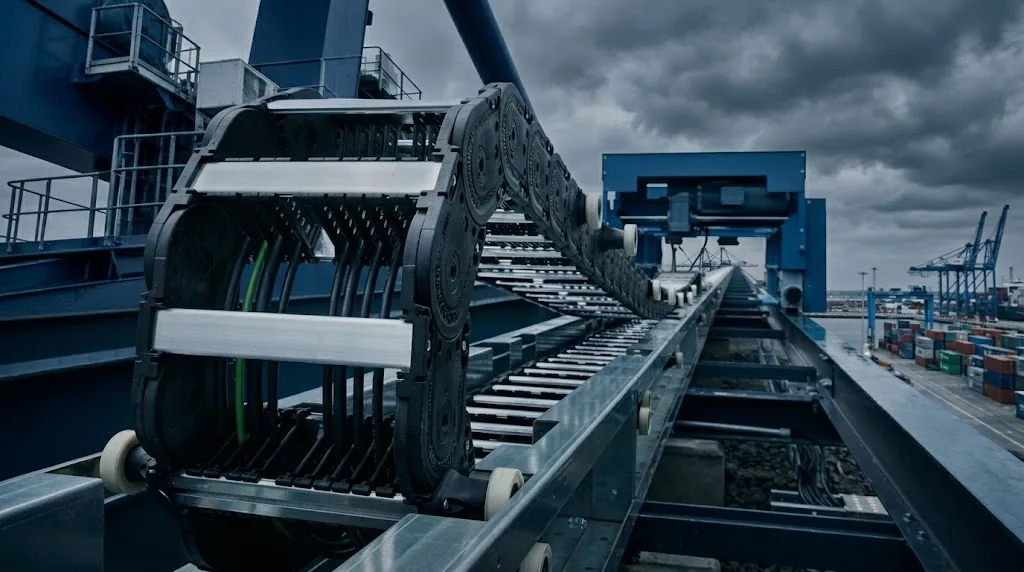
Choose the material for the environment. Plastic does not rust. In salty air, steel is only an option in a stainless version, such as the S/SX, where SX stands for stainless steel. The dimensions are the same as the galvanised S, so you can later replace an existing S with an SX. Which types the manufacturer declares suitable for a maritime environment can be found under cable carriers for maritime and offshore. The trade-off between the two materials is explained in steel or plastic.
Do not calculate at the limit. Where loads vary, you do not go to the extreme of the type. Choose a type with room in travel length, weight and speed instead. In the Cable carrier configurator you can see per type how much margin remains for your cable package and stroke.
Plan maintenance based on condition. You do not want to wait until a carrier in a hard-to-reach place breaks before replacing it. With regular inspection you spot wear on links, gliding shoes and cables before things go wrong. How to recognise wear on gliding carriers is explained in cable carrier gliding shoes. With RupsInspect you see the status of all your carriers in one overview.
What Wisman Techniek does
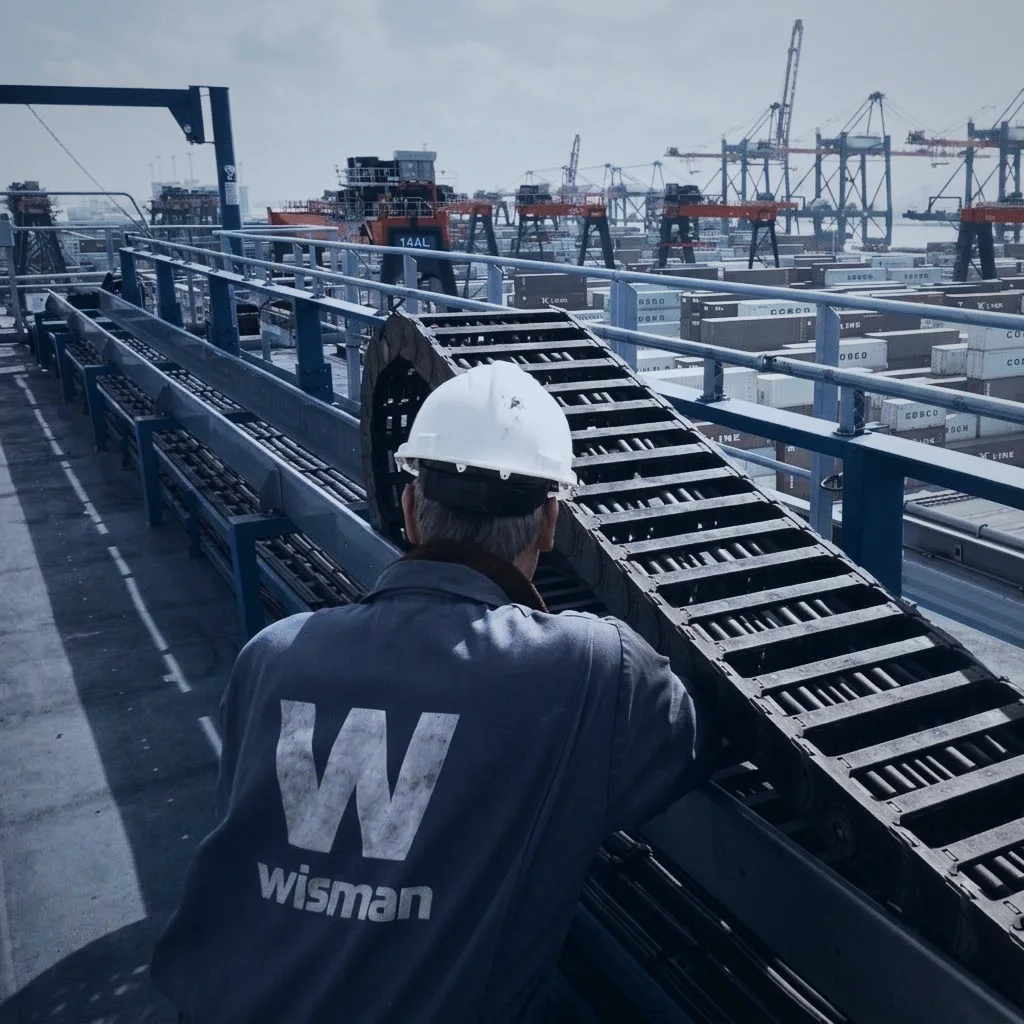
Wisman Techniek is the exclusive dealer of Tsubaki Kabelschlepp in the Netherlands. We advise on carriers for offshore wind, shipbuilding and maritime and cranes and ports, assemble them to size in Ruurlo and carry out maintenance and overhaul. We also look at existing installations: is the carrier still suitable for the environment, and is replacing or overhauling the best choice?