The first green steel plant of thyssenkrupp Steel in Duisburg is now expected to start operating in 2029, two years later than planned. This was reported by 320° on 10 November, based on dpa. Politico had earlier reported the delay, based on a document from the European Commission. A spokesperson for thyssenkrupp Steel Europe confirmed the new timeline.
What was reported
It concerns a direct reduction plant that is to replace the classic blast furnace. Instead of coke, hydrogen is eventually to reduce the iron ore there. Construction started in early 2024. The project costs around three billion euros, of which up to two billion comes from public funds: two thirds from the German federal government and one third from the state of North Rhine-Westphalia.
According to the spokesperson, the delay mainly stems from the engineering phase. In a project of this size, adjustments to planning and schedule are not unusual, he said.
The switch to hydrogen is also slower. Thyssenkrupp Steel wants to make it depend on the market and on the availability of hydrogen. According to the company, production capacity, pipelines and import routes are still missing, and green hydrogen is more expensive than previously expected. Amended subsidy conditions allow the plant to run on natural gas for longer, and the share of hydrogen can rise gradually and more flexibly. Even on natural gas, CO₂ emissions fall by more than half compared with the blast furnace route, according to thyssenkrupp.
Existing installations keep running longer
As long as the new plant is not running, the steel from Duisburg comes from the existing installations. We see this picture more often in the steel industry, in the Netherlands too: the big changeover is postponed, and machines and lines that have been running for years have to keep going longer.
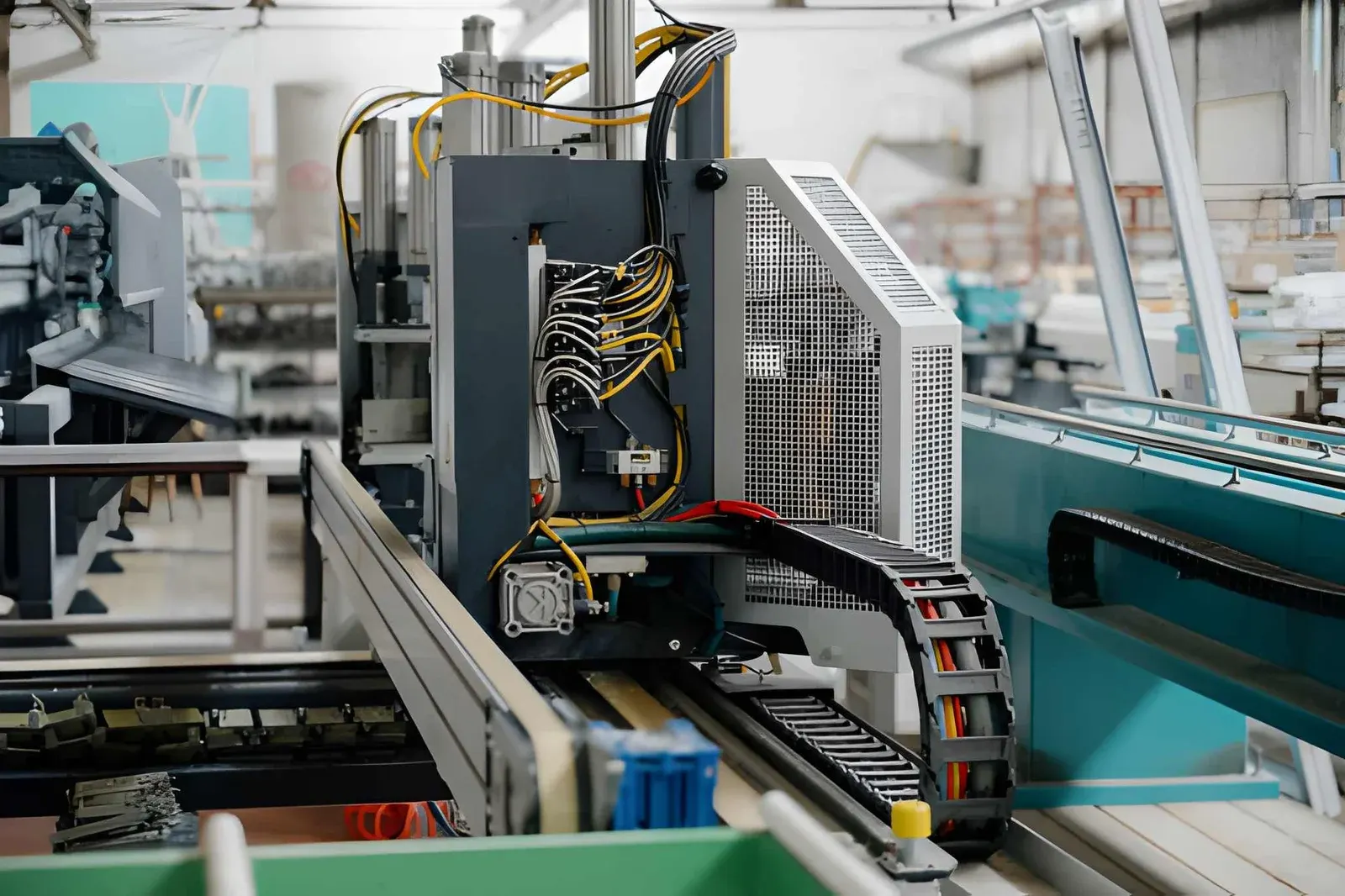
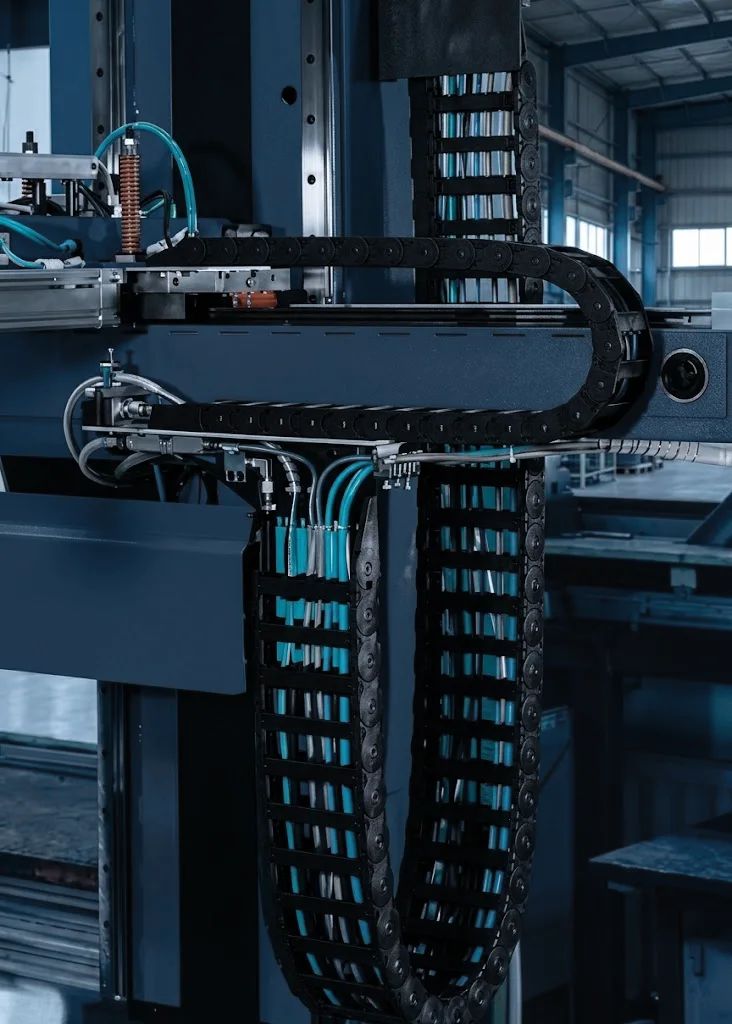
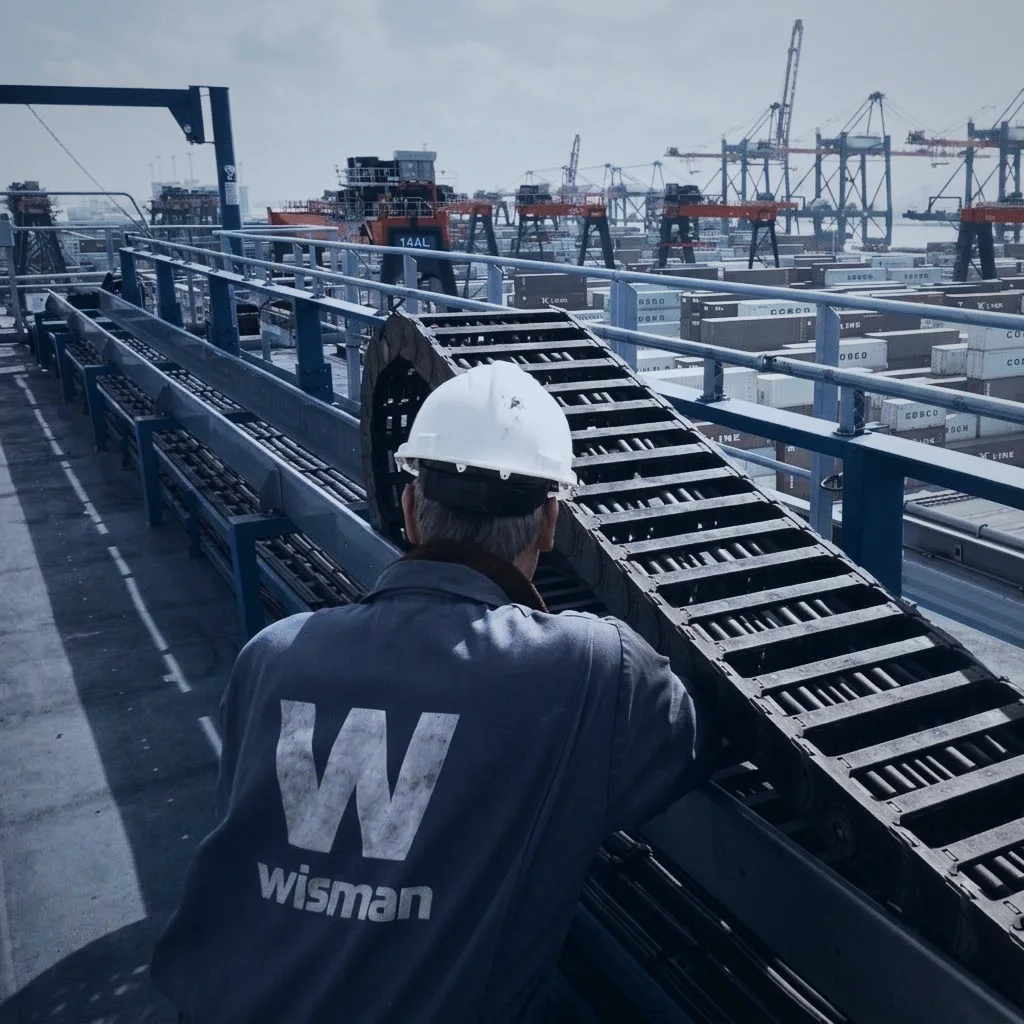
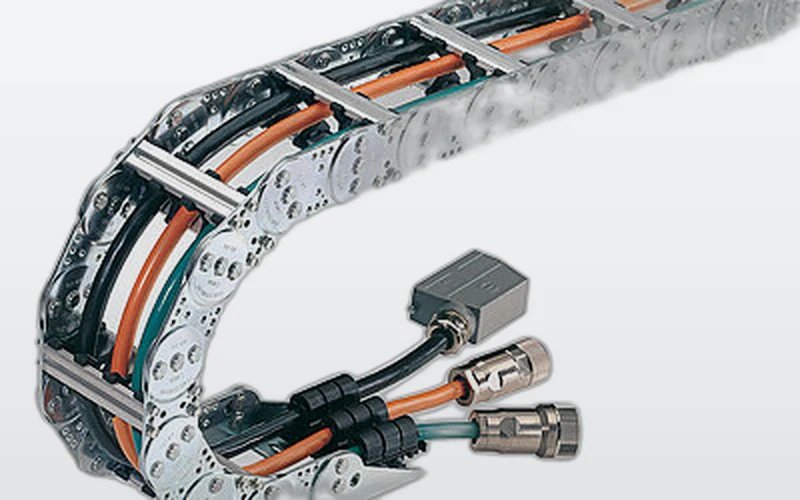
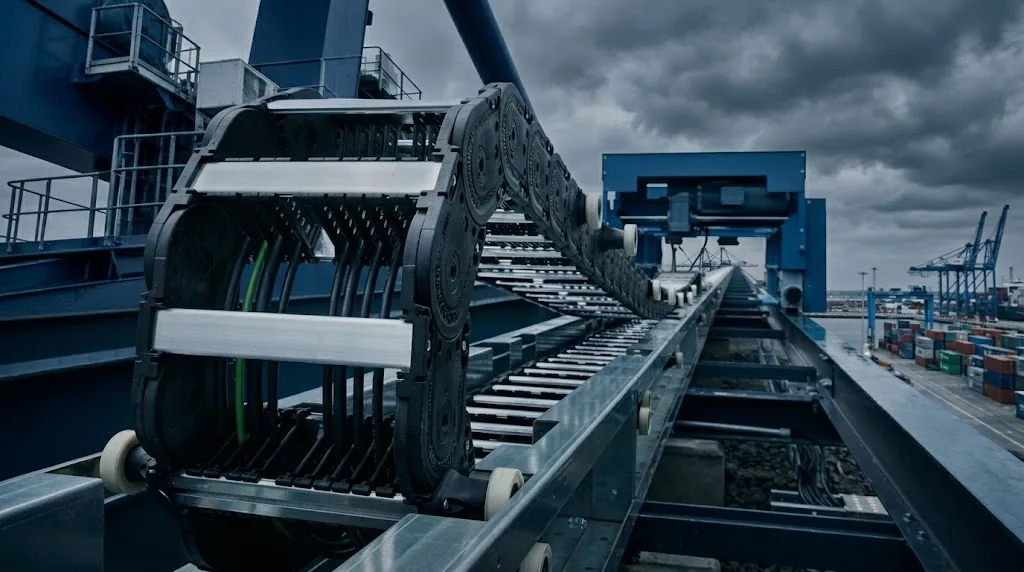
In a steelworks, the cables and hoses to moving parts often run through a cable carrier: on cranes, carriages, casting lines and rolling mills. These work under harsh conditions, and running them longer calls for a few choices:
- Heat and glowing particles. Close to hot zones, a steel cable carrier is often a better choice than plastic. The trade-off is explained in steel or plastic cable carrier.
- Radiant heat on the cables. A sleeve of heat protection keeps the heat off the cables. At Reiku, the materials range from 350 °C to 800 °C radiant heat, depending on the material.
- Wear from dust and scale. Dirt between the links and in the channel speeds up wear. How to spot it in time is explained in recognising cable carrier wear.
What Wisman Techniek does
Wisman Techniek supplies steel and plastic cable carriers from Tsubaki Kabelschlepp and heat protection from Reiku for the steel and heavy industry. Our RMO specialists inspect and overhaul cable carriers, including other brands, and record for each cable carrier what can stay in service and what needs replacing in the next shutdown. That way you prepare maintenance instead of reacting to a breakdown.