
If you want more from your robots, you do not always have to buy new ones. That is the core of an article TechniShow published on 12 November, based on advice from the European distributor reichelt elektronik: existing robot fleets often offer room for improvement. The advice: first find the technical bottlenecks in your existing cells and upgrade one of them before investing more widely.
What is going on
According to the article, which cites figures from the International Federation of Robotics (IFR), 2,473 industrial robots were installed in the Netherlands in 2025, 5 percent more than a year earlier. The IFR counts 310 robots per 10,000 employees in Dutch manufacturing.
According to reichelt, many companies looking at robotisation focus mainly on buying new machines, while existing cells also offer gains. The article names the controls and the sensors as the place where that happens. Encoders and motion sensors track the robot; 3D cameras, LiDAR and force sensors detect obstacles, products and contact forces. The approach the article proposes for SMEs is phased: analyse existing systems, convert one robot cell as a pilot and then measure the results, such as fewer production errors and shorter cycle times.
What does this mean for the cables in your robot cell?
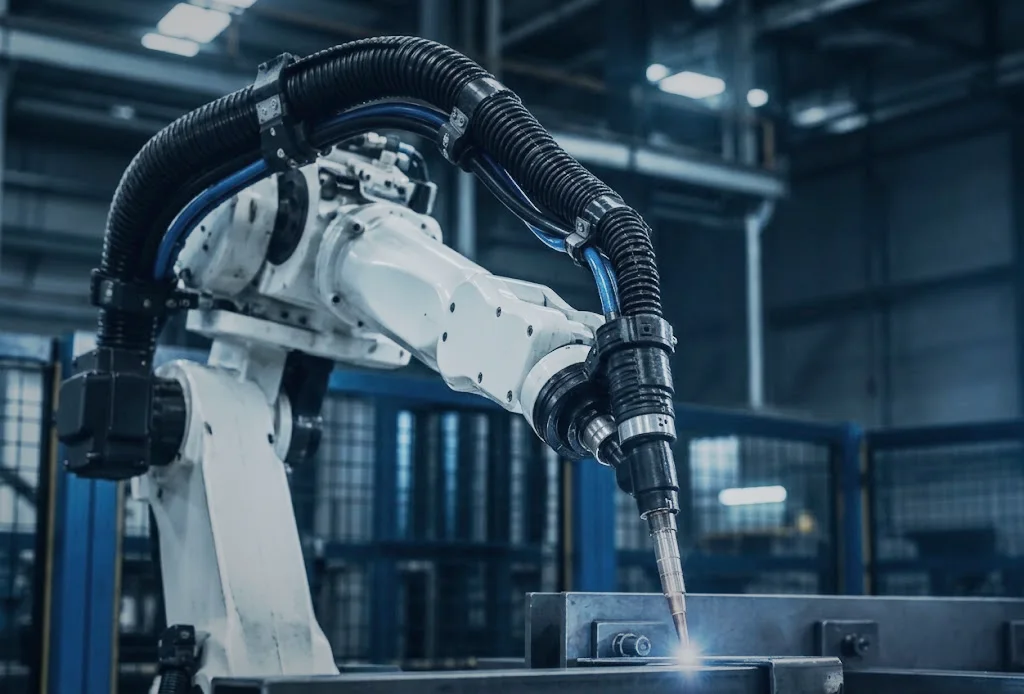
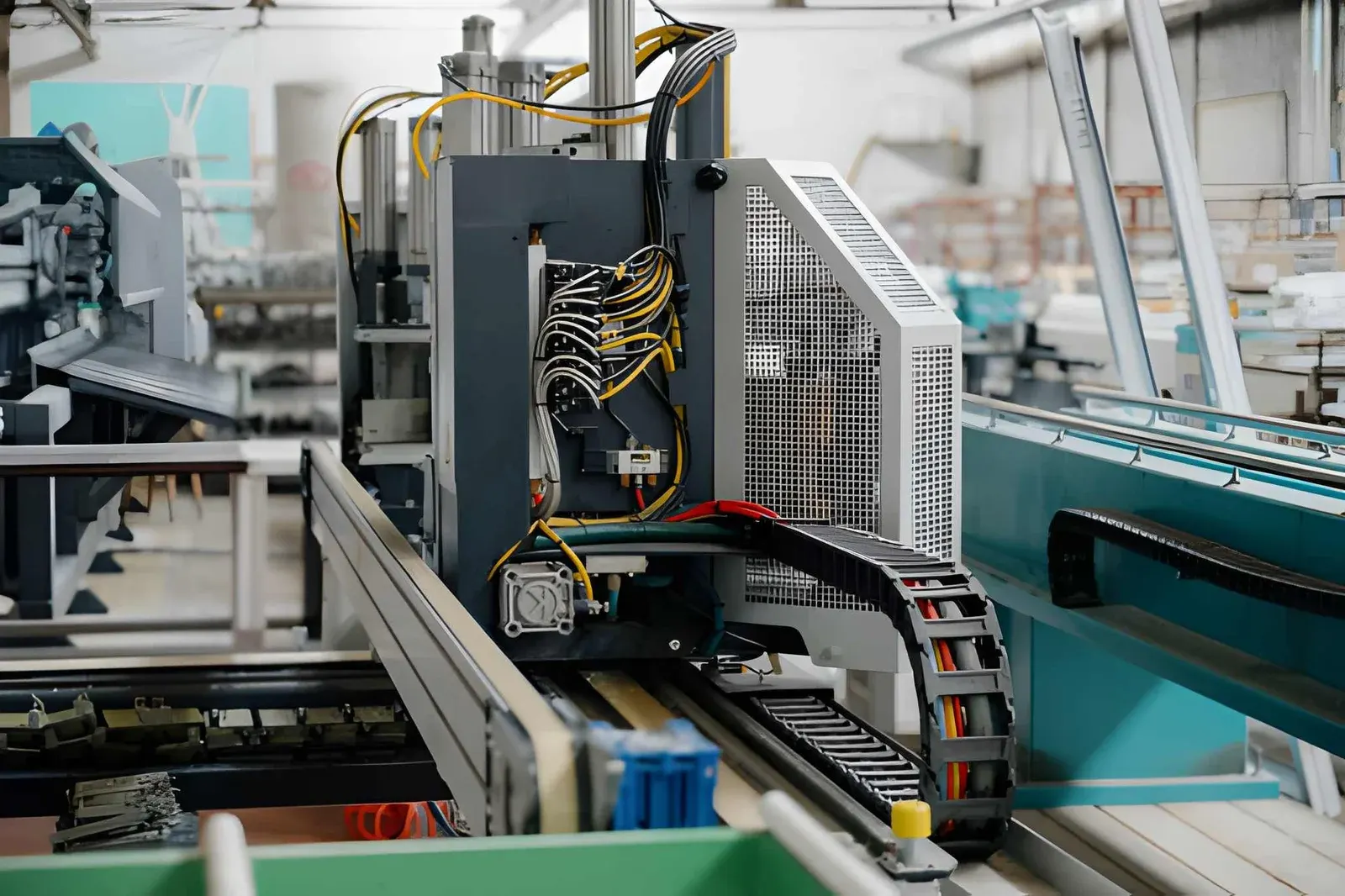
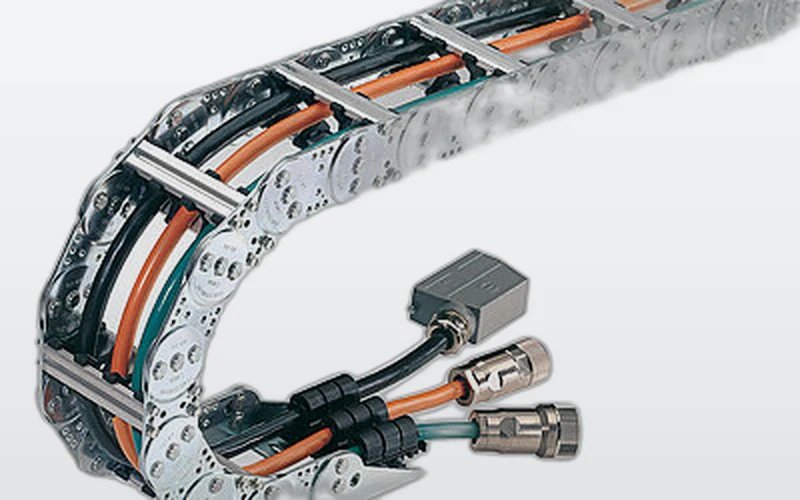
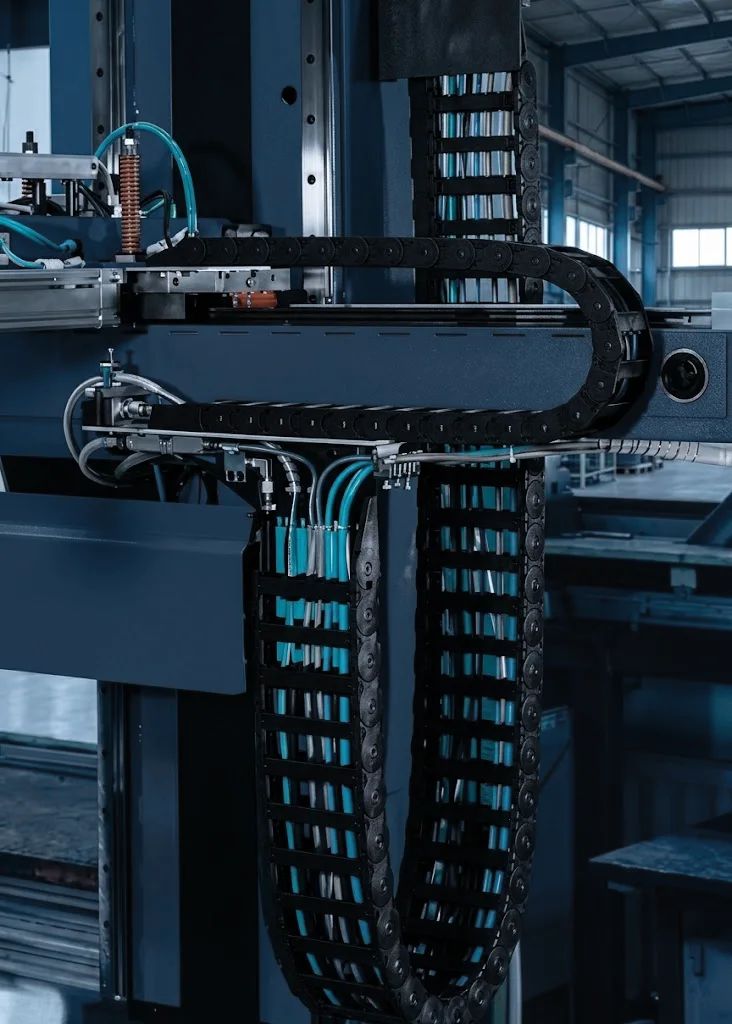
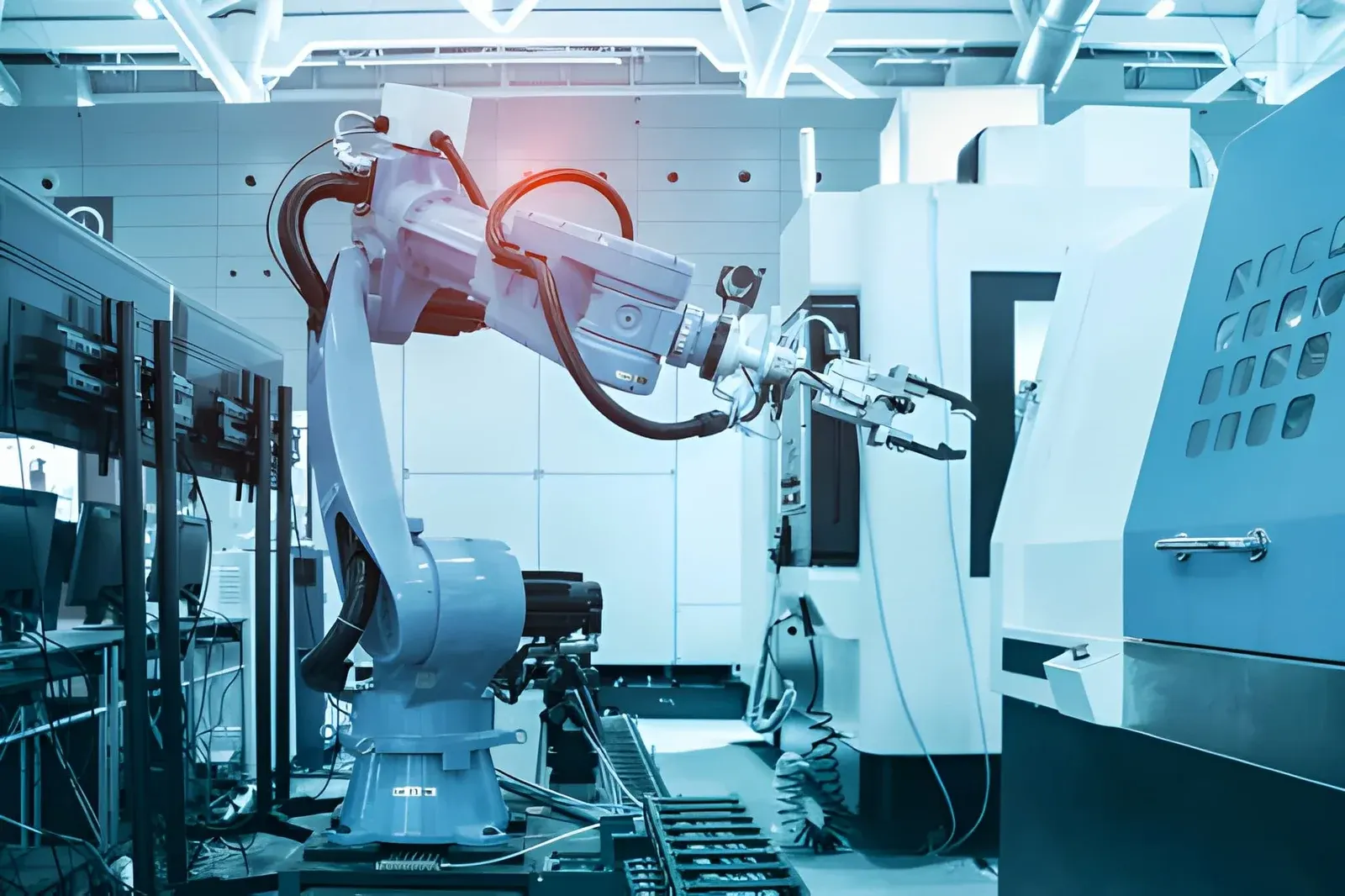
Upgrading a robot cell is almost always a cable question too. Every extra camera, force sensor or encoder has its own cable, and it has to run somewhere. On the robot itself that is the dress pack: the package of cables and hoses that runs along the arm to the tool. If the robot travels on a linear axis, or the product moves on a table, a cable carrier moves along as well.
Three things to consider when you convert a cell:
- Does the extra package fit in the protective hose? A hose that was already full gets more friction with an extra cable and wears faster, especially around the wrist on axes 4 to 6. How to determine the hose size is explained in choosing a dress pack for your robot.
- Is the new cable made for movement? A camera cable intended for fixed installation will break in a moving package. Choose cables the manufacturer specifies for continuous movement.
- Is the cable carrier still right? A thicker or extra cable can change the inner dimensions, the fill level and the radius of an existing carrier. What to check then is covered in machine retrofit: does your cable carrier still fit?
The pilot cell the article talks about is also a good moment to record this: which cables run there, which hose size is fitted and how much space is left. Then you know straight away what is needed for the next cell.
What Wisman Techniek does
Wisman Techniek supplies dress packs from Reiku, matched to the make and model of the robot, and, as exclusive dealer of Tsubaki Kabelschlepp in the Netherlands, the cable carrier for a linear axis or gantry. Converting a cell? Send the cable list and a photo of the robot. We will then check whether the current package can handle the new cable package, or what needs to change.
Calculate it yourselfDress pack configuratorConfigure a dress pack for your robotOpen the dress pack configurator